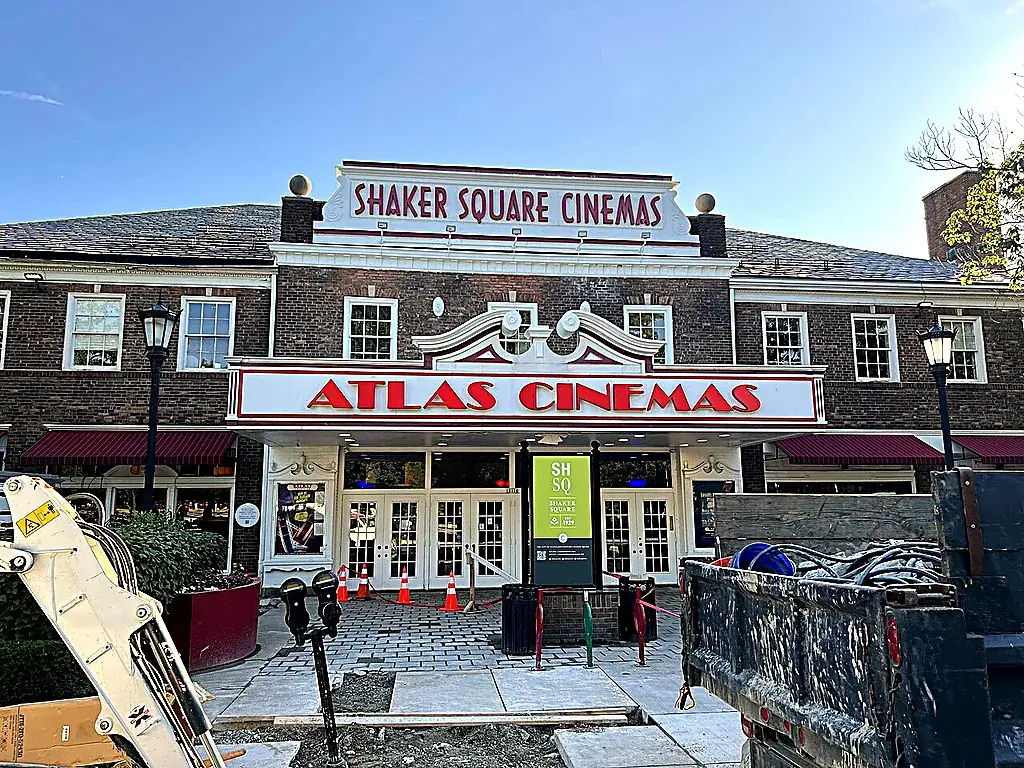
The district, for water's sake
Buckeye–Shaker is the east-side Cleveland neighborhood wrapped around Shaker Square — one of the country's earliest planned shopping districts, built in the 1920s as a gateway to Shaker Heights with the rapid transit line arriving at its center. The housing and buildings tell the water story: 1920s apartment buildings and condos ringing the square, classic Cleveland doubles and colonials along the side streets toward Larchmere and Buckeye, and a share of larger pre-war structures repurposed as offices and institutions. Much of the ZIP is shared with the Shaker Heights border, so 44120 addresses span both city and suburb.
Multi-unit buildings are the theme here, and they change the water math: a supply-line failure or boiler leak in a 1920s riser can touch several units at once, and finished lower levels turn small leaks into big claims. We help connect Shaker Square and Buckeye residents, condo owners, and building managers with independent restoration providers who cover 44120 — from hidden-leak hunts to full drying projects.
Common water problems here
- Riser and stack failures in multi-unit buildings. Original supply and drain lines in 1920s buildings fail at joints — and water travels down through every floor below.
- Boiler and radiator leaks. Steam and hot-water heat is period-standard here; a leaking radiator above a finished ceiling is a classic in this district.
- Condo and apartment unit floods. An upstairs neighbor's dishwasher is your ceiling stain — occupancy and responsibility questions make documentation key.
- Basement and lower-level seepage. Old foundations plus Cleveland clay soil plus intense rain — the citywide trio, alive and well in 44120.
- Commercial and mixed-use losses. Buildings around the square mix storefronts and upper-floor residences; a single leak can involve both.
What to do first when water shows up
- Electricity before entry. Lower units and basements in older buildings often hold panels and equipment at floor level — nothing electrical should be reachable from standing water.
- If you're in a multi-unit building, notify the owner or manager immediately — early reporting protects the building, your belongings, and everyone's documentation. Dated photos you take now help all parties later.
- Identify the source and stop it if it's inside your unit — fixture valves, appliance hoses; building-wide riser failures belong to the building's plumber.
- Call (216) 438-9348. Describe the situation and we'll get a restoration crew moving your way for 44120 — extraction that starts today keeps 1920s plaster and original floors salvageable.
Nearby communities we serve
- Buckeye–Larchmere
- Shaker Heights
- University Circle (44106)
- Fairfax (44104)
- Woodland Hills
Sister guides: Fairfax to the north and Cleveland Heights to the east.
Shaker Square water damage FAQs
Do you cover the 44120 ZIP code?
Yes — Shaker Square, Buckeye–Shaker, and the 44120 addresses that border Shaker Heights are within the Greater Cleveland area we help route calls across. Call (216) 438-9348 with the address and we'll identify an available independent provider covering it.
My upstairs neighbor's leak damaged my ceiling — who calls?
Either of you can start the cleanup conversation — water doesn't wait on responsibility questions. Report it to the building owner or manager right away, photograph everything as found, and call us; the provider's documentation helps sort out insurance and responsibility afterward.
Are 1920s apartment buildings harder to dry out?
Different, not harder. Plaster walls, original trim, and layered floor systems need careful moisture mapping, and providers handle them regularly. The risk in older buildings is hidden horizontal travel — water follows old joist bays farther than it looks like it should.
Does insurance cover water from building plumbing?
Coverage follows your policy and the cause: sudden failures are commonly treated differently than gradual leaks, and condo policies divide building vs. unit responsibility. Confirm with your carrier and the building's association; documentation photos make every version of the conversation easier.
What should I have ready when I call?
The address and unit, where the water is, whether it's still active, when it started, and whether the building owner knows. In multi-unit buildings, tell us how many floors or units are affected — it changes the scope before anyone arrives.
Next step
Historic buildings reward speed and documentation in equal measure. Call (216) 438-9348, describe what's wet, and we'll get a restoration crew moving your way for drying, leak detection, or extraction. For the complete picture, see water damage restoration help in Cleveland on our homepage.